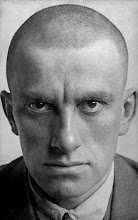
This biography of Marcus Garvey ends with two long essays about his philosophy and legacy, but I really wish it would’ve started with them, because Cronon is (while writing very well, and presenting a strong case) clearly coming at Garvey from a fairly critical angle, and that context would have helped while reading the earlier parts of the book.
Comments
Post a Comment